Hillside Decks in Baltimore Canyon: Permits and Design Tips
October 16, 2025
October 16, 2025
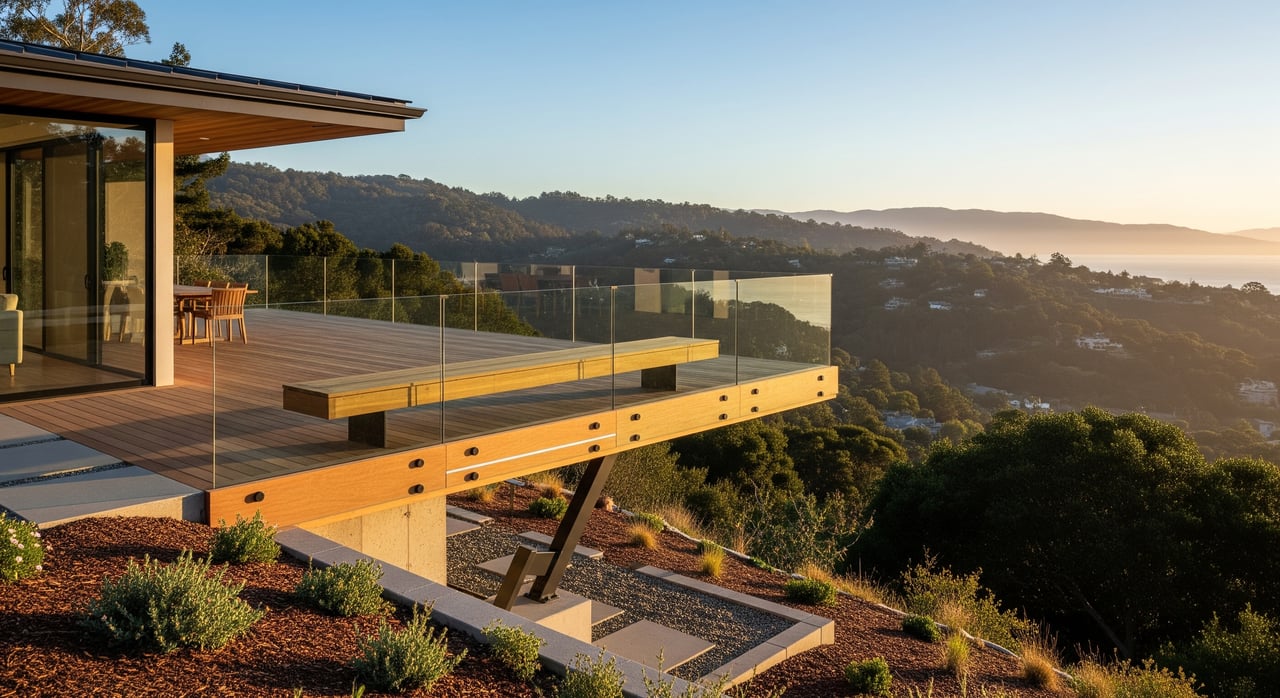
Thinking about adding a deck to take in the redwoods and ridge views in Baltimore Canyon? On a hillside in Larkspur, a beautiful deck also needs to be safe, code compliant, and wildfire smart. In this guide, you’ll learn the permit triggers, key local rules, and design tips that work on steep Marin lots. You’ll also find the best local links to start your plan. Let’s dive in.
Most hillside decks in Larkspur require a building permit. Under California code, a deck is typically exempt only if it is 200 square feet or less, under 30 inches above grade at every point, detached from the house, and not a required exit. These thresholds are a helpful guide, but Larkspur enforces 2022 California codes with local amendments, and hillside conditions often push a project over the line. You can confirm requirements with the City’s Building Division and submit through the eTRAKiT portal on the Larkspur Building page.
Hillside decks often need geotechnical input to confirm slope stability, footing depth, and drainage. Larkspur’s hillside development standards commonly require a site-specific geotechnical report when new structures or significant grading are proposed. Setbacks, easements, and any recorded restrictions also apply to deck footings and stairs. Start with planning staff if you are unsure which parts of the code apply to your lot.
Even small terraces, access paths, or slope repairs can trigger grading review. Retaining walls tied to a deck often need engineered plans and permits once they exceed common height thresholds or support surcharge. Expect your structural engineer and geotechnical engineer to coordinate on pier depth, wall design, and drainage.
Central Marin Fire enforces defensible space and home-hardening rules that affect decks. The “Zone 0” area within 0 to 5 feet of the home needs extra care, including no combustible mulch, cleared debris, and careful material selection. Screening under the deck, ember-resistant details, and regular maintenance all reduce risk.
If your project is near Corte Madera Creek, marsh edges, or mapped flood zones, expect additional layers of review. Creek work can trigger a county creek permit and state water-quality review, and floodplain sites bring specific design standards. Seasonal bird-nesting protections can also limit tree or vegetation removal timing, typically January through August, unless a qualified survey clears the work.
Larkspur’s heritage tree ordinance regulates removal and substantial pruning of larger trees. If your deck design touches root zones or requires removal, you may need an arborist report and a permit before work begins. Plan your layout to preserve significant trees where feasible.
A hillside deck succeeds when structure, drainage, and fire safety work together. Here is a practical approach for Baltimore Canyon lots:
Getting the sequence right helps you avoid delays and rework.
A permitted, engineered, and wildfire-smart deck is easier to insure, maintain, and explain during buyer inspections. It also signals thoughtful stewardship in a canyon setting where slope, vegetation, and water all meet. If you are planning improvements before selling, the right sequence can save weeks and protect your budget. If you are buying, these checkpoints help you assess a deck’s long-term safety and compliance.
Ready to map out a plan or vet a property with a hillside deck? Reach out to miles daly for neighborhood-specific guidance, vetted local pros, and coordinated pre-sale prep supported by Compass Concierge.
Stay up to date on the latest real estate trends.
Reach out and let’s connect. Whether you’re curious about the market, considering buying, or about to sell, I’m always here to help.
Marin County Real Estate

1550 Tiburon Blvd., Suite U Tiburon, CA 94920